The 19th Hole
On good food, great company and the traditions that make the clubhouse the best part of the day for so many golfers.
By GolfProse · · 3 min read
Nobody seems quite sure when golfers began calling the clubhouse bar the nineteenth hole, but the joke is a good one and it has lasted. A round has eighteen holes. The nineteenth is where you settle up, tell the story of your best shot to anyone who will listen, and agree that the greens were faster than they looked.
There is a nice irony in the name. In match play, the nineteenth hole is also the real thing: if a match is all square after eighteen, the players go back to the first tee and play on until somebody wins. Old golf writing is full of championships decided “at the nineteenth.” Most of us are happy to settle ours in the bar instead.
The smoking-room
For P.G. Wodehouse, the clubhouse was where all the stories happened. His narrator, the Oldest Member, rarely ventures onto the course. He sits in the smoking-room with his pipe, and waits. Sooner or later a young member comes in with a grievance — he has lost his match, or his girl, or his temper — and the Oldest Member begins a story.
The very first of his stories, “The Clicking of Cuthbert,” opens with a young man coming into the smoking-room, flinging his bag down and ringing for the waiter so that he can give his clubs away. By the end of the tale he is running down the corridor to get them back. That is the nineteenth hole in miniature: the place where you swear off the game, and where you are talked back into it.
Simple food, done well
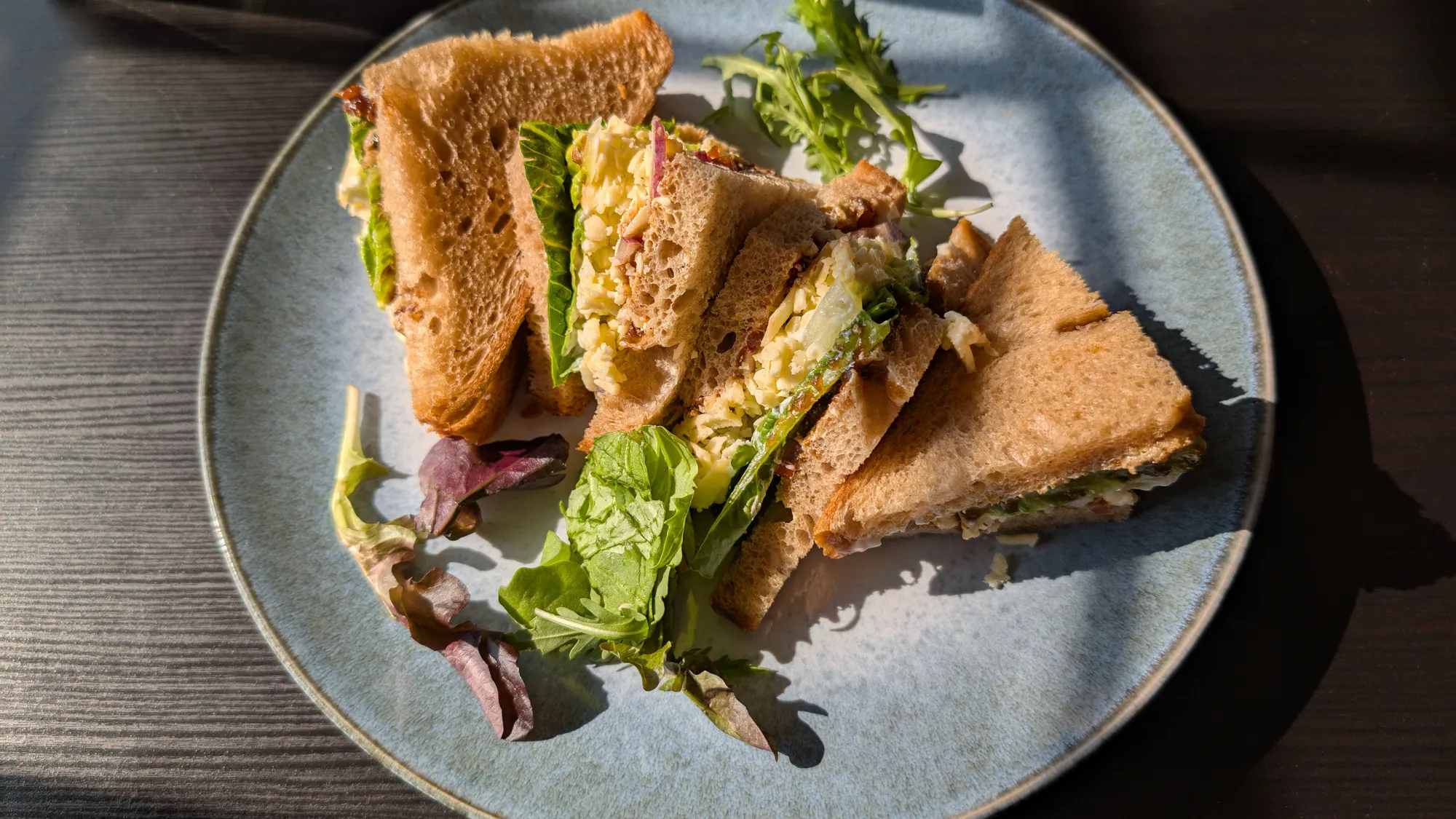
The clubhouse lunch is one of the great unsung British institutions. It is rarely fancy and it shouldn’t be. After four hours in the wind, what you want is something honest: a bowl of soup, a well-made sandwich, or a ploughman’s lunch of good cheese, crusty bread, pickle and an apple, with a pint of something local.
Simple food is unforgiving, so it is worth doing properly. Good bread matters more than anything else. The cheese should be a proper one, a farmhouse Cheddar or a crumbly Lancashire, and it should be at room temperature. A sharp pickle and a crisp apple or a few slices of raw onion give the plate its balance. It is the kind of meal that tastes better for having earned it.
The rules of the bar
Every club has its unwritten rules, and the nineteenth hole has more than most. Some are about dress, some about where you may and may not use your phone, and some are about money: who buys the first round is often settled by the match itself. The kindest custom is the simplest. Whoever had the best day, or holed the longest putt, or made the hole-in-one, buys for the group. It turns good fortune into hospitality.
There is a gentler rule too, which nobody ever states: you may tell the story of your round, but only once, and briefly. The Oldest Member could talk for an hour. The rest of us should not.
Why it matters
It is easy to think of the clubhouse as an afterthought, but for a great many golfers it is the point. The round gives you something to talk about. The table afterwards is where the talking happens, where friendships are made and kept, and where a bad day on the course becomes, with a little help, a funny story.
The scorecard goes in the bin. The lunch is what you remember.
More from The Good Life
See all
The pleasure of good company.
Polished shoes, a favourite sweater, a partner who knows when to say nothing. On the small rituals that make a round worth remembering.
The Magic of Plus Fours
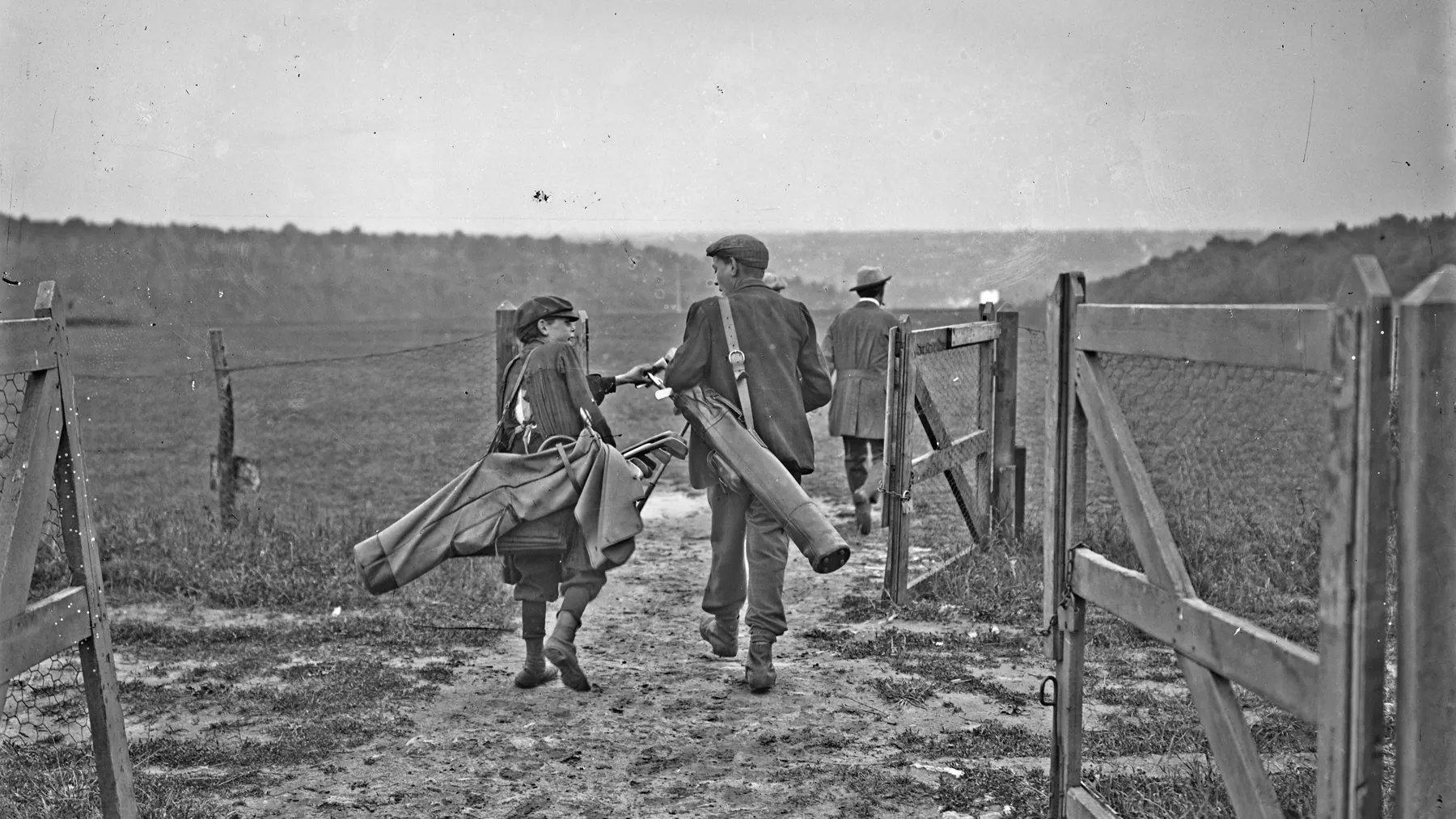
Can a pair of trousers make you a better golfer? P.G. Wodehouse thought it worth a story, and the question has never quite gone away. On dressing for the game.
In Praise of the Caddie
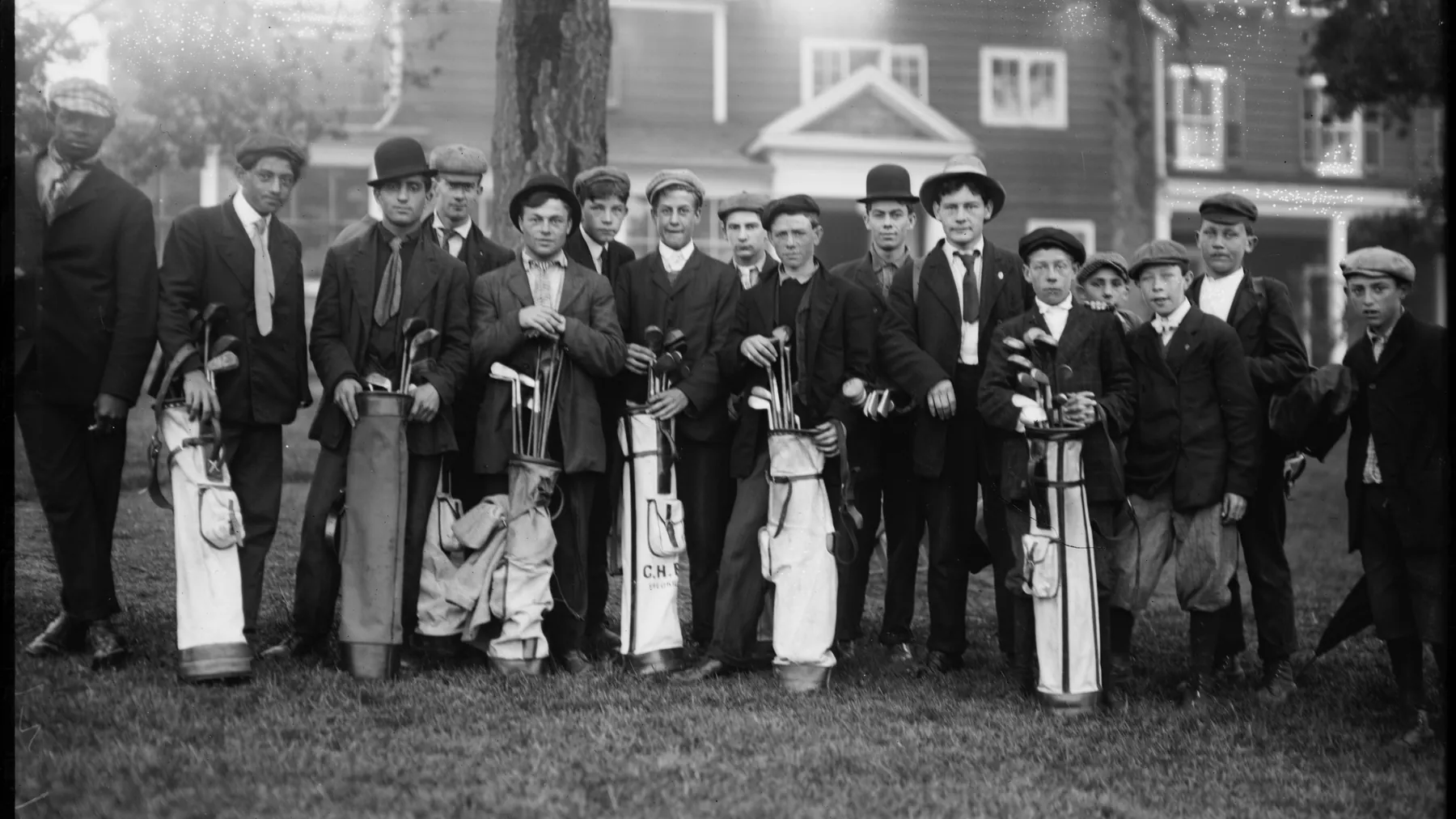
Silent counsellor, blunt critic, keeper of the club’s best stories. Harry Vardon had firm views on what makes a good caddie, and most of them still hold.